How to Design the Perfect Home Painting Studio
A practical guide to transforming a corner of your home into a productive creative space, inspired by our design principles.
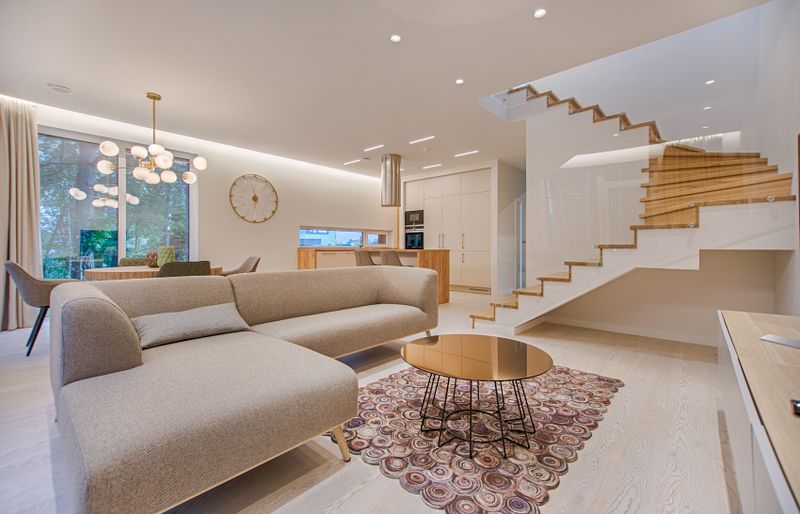
For an artist, the studio is not just a room — it's a sanctuary of creativity. In this post, we explore the essential steps to create a functional and aesthetic painting studio, even in a limited space.
1. Choosing and Arranging the Space
The first step is identifying the location. A corner near a large, north-facing window provides constant natural light without glare. If the space is small, the solution is vertical organization: shelves for materials and wall panels to hang tools.
"Light is the painter's first tool. Then come the easel and palette."
2. Key Elements: From Easel to Lighting
The wooden easel remains the heart of the studio. Choose a robust, adjustable model that can support large panels. Complement it with a spacious work table for mixing colors.
Artificial lighting is crucial for night sessions. We recommend LED strips with adjustable color temperature (from 4000K for detailed work to 2700K for a warm atmosphere) and a decorative neon bulb to mark the inspiration zone.
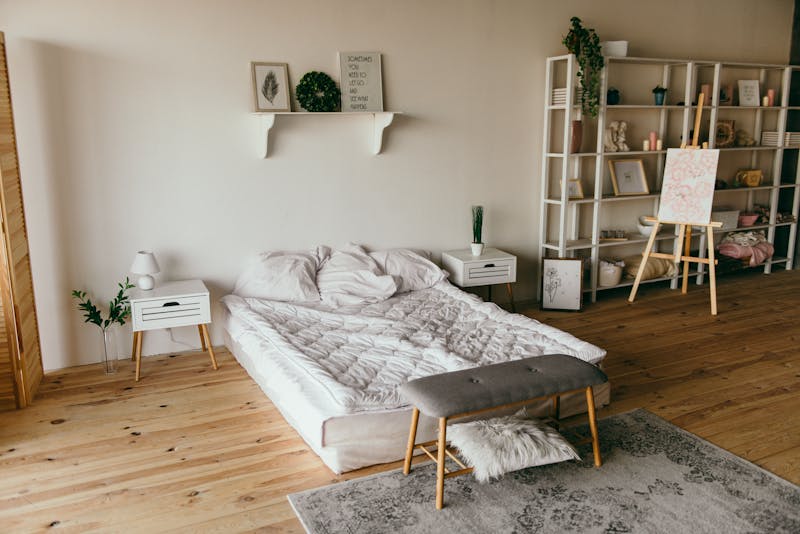
Classic easel and material organization.

Neon lighting for a creative accent.
3. Atmosphere and Inspiring Details
Creativity flourishes in a pleasant environment. Introduce indoor plants that improve air quality and bring a touch of nature. A large curved monitor mounted on the wall can serve to study digital references or for viewing breaks.
Don't forget ergonomics: a comfortable chair and an easy-to-clean floor (e.g., linoleum) make a difference during long sessions.